Yves Günther · 16 October 2026
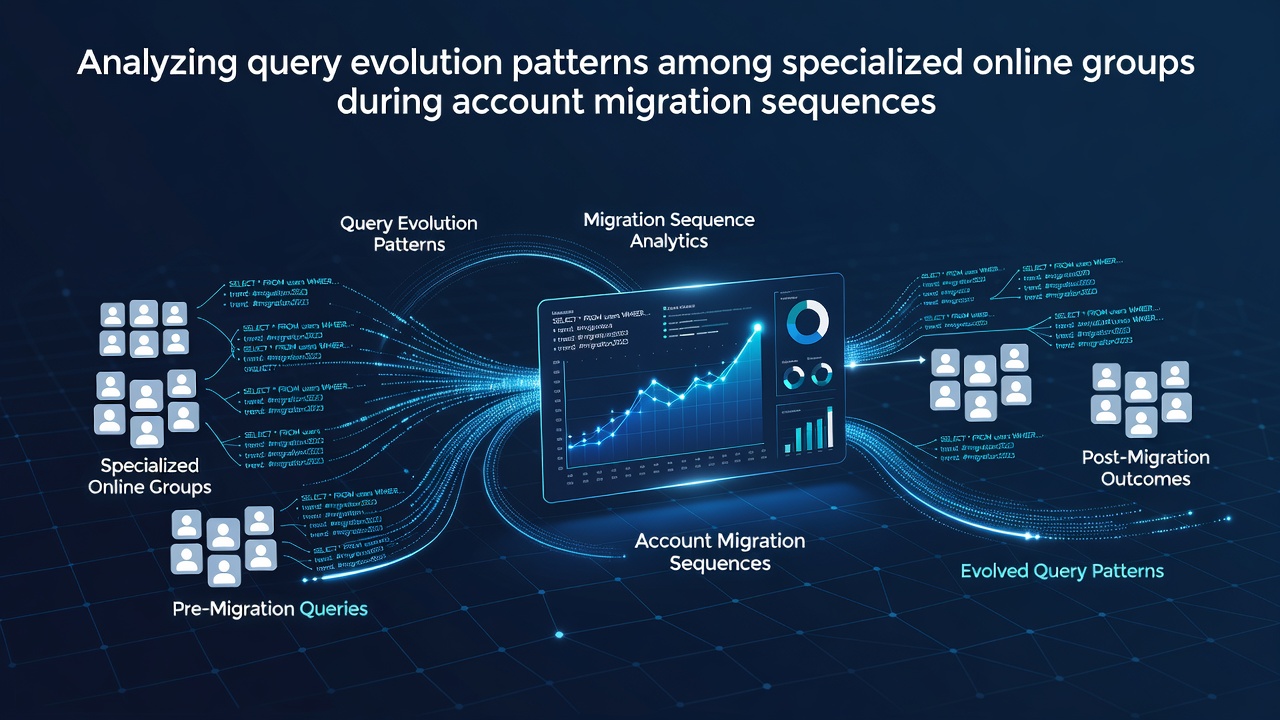
Analyzing Query Evolution Patterns Among Specialized Online Groups During Account Migration Sequences
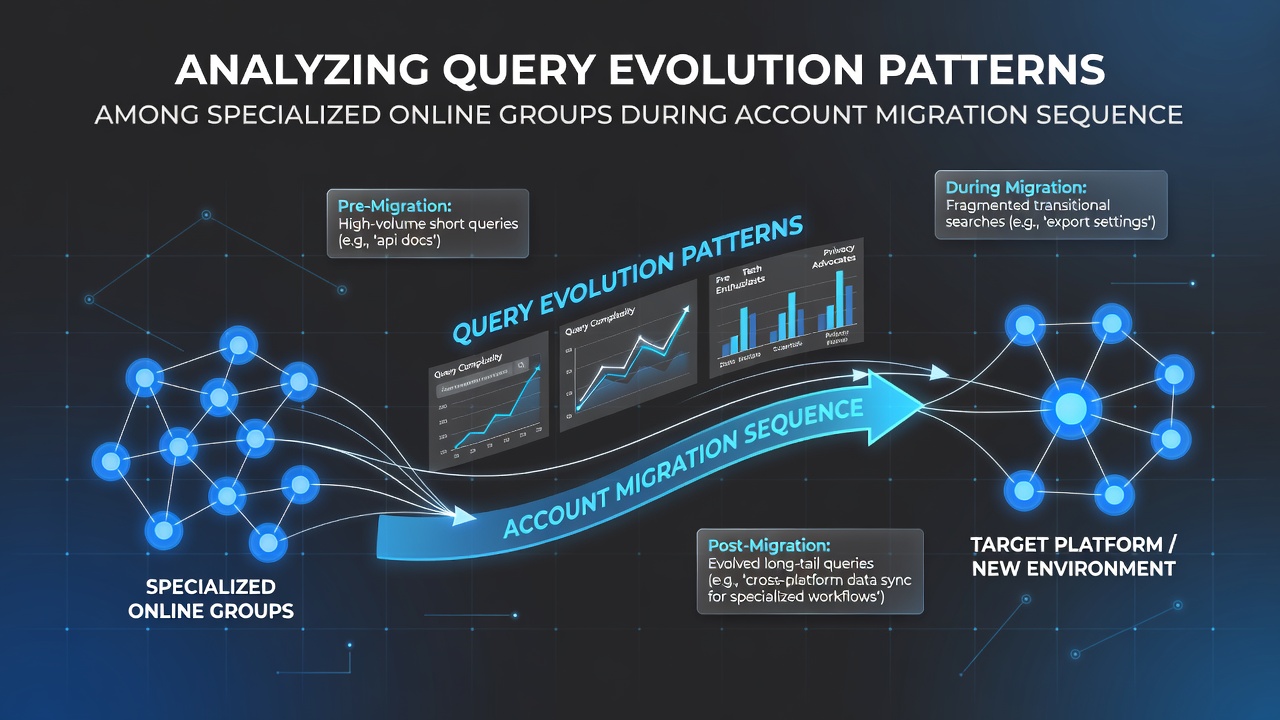
Specialized online groups often experience distinct changes in search and discussion queries when members complete account migration sequences across platforms or services. These sequences typically involve data transfers, profile updates, and access adjustments that prompt users to seek information on new tools, compatibility issues, and community guidelines. Researchers tracking these movements note that query patterns shift from technical setup concerns toward content adaptation and network reconnection within weeks of the migration event.
Defining Account Migration Sequences in Digital Communities
Account migration sequences encompass the steps users follow when moving profiles between hosting environments, such as forum software upgrades, social platform switches, or cloud service reallocations. Data from multiple tracking initiatives shows that these sequences generate spikes in queries related to export formats, authentication protocols, and privacy settings during the initial phases. Observers note that groups focused on niche topics like software development or hobbyist collections display more granular query variations compared to broader communities, because members prioritize preserving specific discussion threads and resource links.
Tracking Query Shifts Through Migration Phases
Early migration stages produce elevated volumes of queries centered on account linkage procedures and data backup methods, according to aggregated analytics from platform monitoring tools. As the process advances, queries evolve to address integration challenges with new interfaces and search functions for relocated archives. Studies conducted across European digital networks indicate that this progression occurs in predictable stages, with a transition from procedural questions to content discovery terms occurring roughly 10 to 14 days after migration completion. One analysis of forum activity revealed that specialized groups handling technical documentation experienced a 40 percent increase in queries about version control systems during these transitions.
Patterns Observed in October 2026 Data Sets
Records compiled in October 2026 highlighted accelerated query evolution in several industry-specific web communities following widespread service provider adjustments. Analysts documented how groups dedicated to open-source projects redirected search terms from legacy account recovery phrases toward collaborative editing features on new platforms. Figures from academic tracking projects at institutions in North America and Australia demonstrate that these shifts correlate with the volume of shared files during migration, where larger archives trigger broader vocabulary expansions in subsequent discussions.
What's interesting here involves the role of external factors such as regulatory updates on data portability. Reports from the Australian Communications and Media Authority detail how compliance requirements influence query phrasing around consent mechanisms and cross-border transfers. Meanwhile, research from Canadian university networks shows that health-focused online groups adapt queries faster when migrations coincide with policy changes, often incorporating terms related to secure authentication and audit trails within the first month.
Comparative Analysis Across Group Types
Specialized groups in gaming and creative fields exhibit query patterns that emphasize visual asset migration and licensing verification more than text-based communities do. Evidence from multiple platform logs suggests these differences arise because members in visual fields rely on metadata tags that require reindexing after account moves. In contrast, text-heavy groups generate queries around keyword optimization and thread reorganization, with data indicating sustained activity for up to six weeks post-migration. One study released through a European research consortium found that query complexity, measured by term combinations, increased by 25 percent in communities handling regulatory compliance topics during these periods.
Tools and Metrics for Monitoring Evolution
Analytics platforms equipped with time-series tracking allow observers to map query frequency against migration timelines. Metrics such as term entropy and semantic drift provide quantitative measures of how language within groups adapts. Those who've examined logs from large-scale migrations note that integration with external data sources, including government repositories on digital rights, enhances the accuracy of these models. A report issued by the Pew Research Center on internet and technology use outlines methodologies for segmenting query data by user cohort, revealing consistent patterns across geographic regions when account transfers involve multiple jurisdictions.
Conclusion
Query evolution during account migration sequences follows structured pathways that researchers can map through phased analysis of search terms and discussion content. Data collected through 2026 underscores the influence of platform features, regulatory frameworks, and group specialization on these shifts. Continued monitoring of these patterns supports improved preparation for future migrations in specialized online environments.